
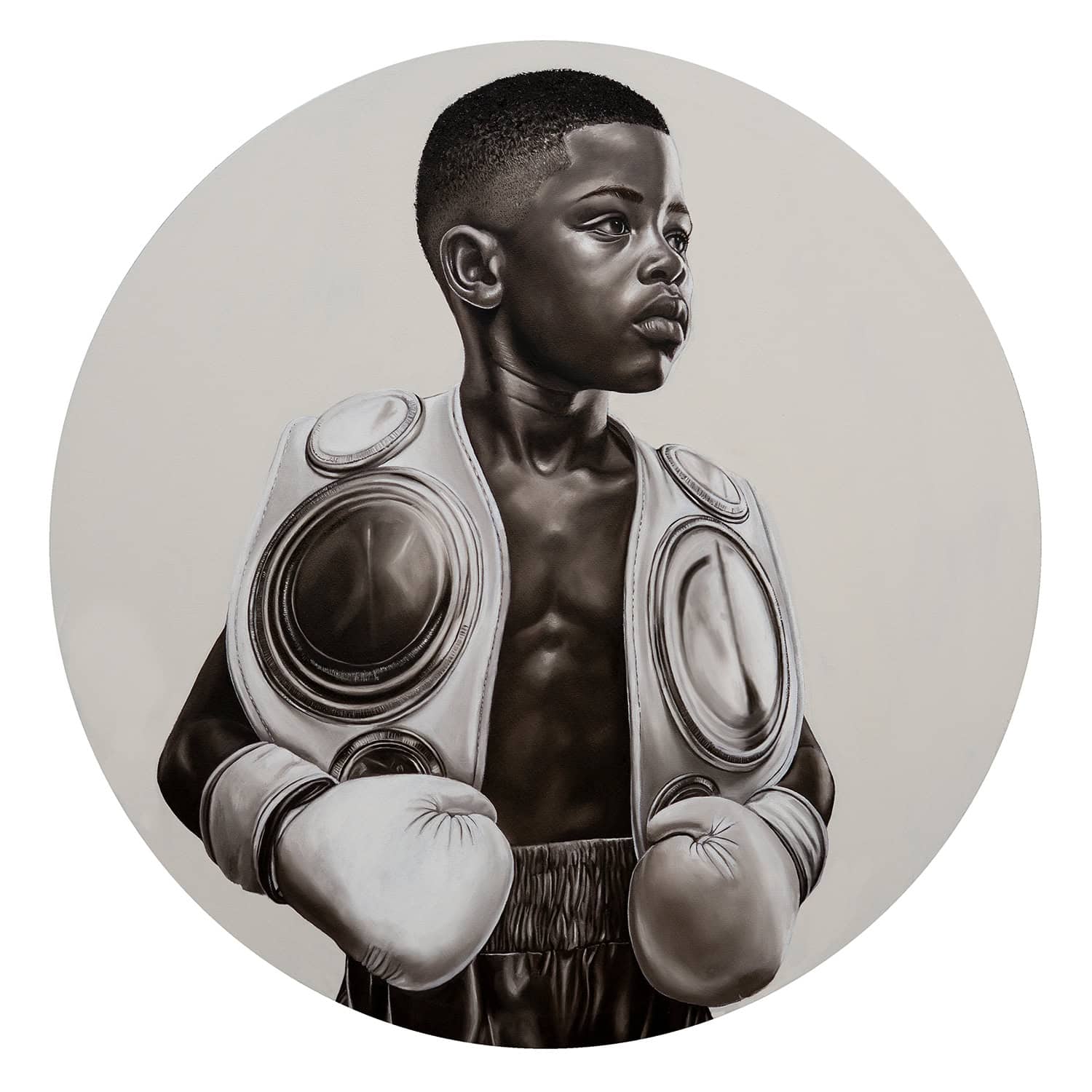
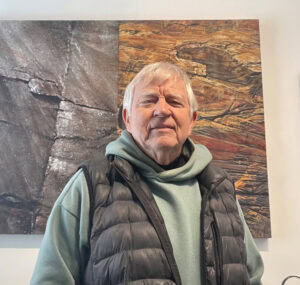
During the pandemic, the San Pedro Waterfront Arts District produced several online interviews with local artists as part of the Armchair ArtWalk Tour. During production, a friend introduced me to Floyd Strickland, an extraordinary artist worthy of your attention.
Floyd is a Los Angeles-based artist whose work offers an introspective and critical exploration of American culture, viewed through the eyes of Black and Brown children. Drawing on his own childhood experiences, Strickland creates ethereal, figurative oil paintings, merging realistic figures with cultural imagery, while evoking both tenderness and strength.
His journey began while he was working to build and renovate elementary schools across the country, where he observed a troubling lack of confidence among many children of color and an insecurity he deeply understood from his own upbringing. This realization led him to dedicate his practice to portraying these children as larger-than-life figures, celebrating their beauty, resilience, and boundless potential.
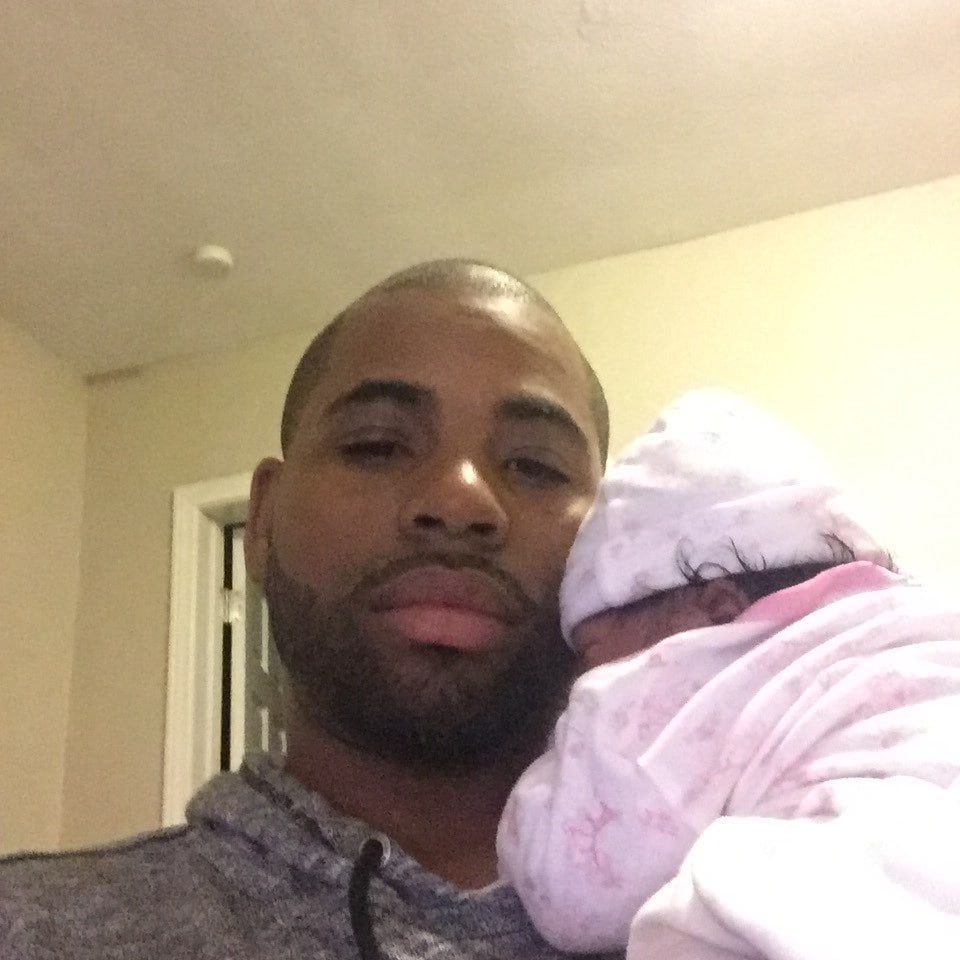
His own children often serve as central figures in his work, embodying the profound love and hope driving his artistic vision. His recent exhibitions have further cemented his place as a distinct and influential voice in contemporary figurative painting.
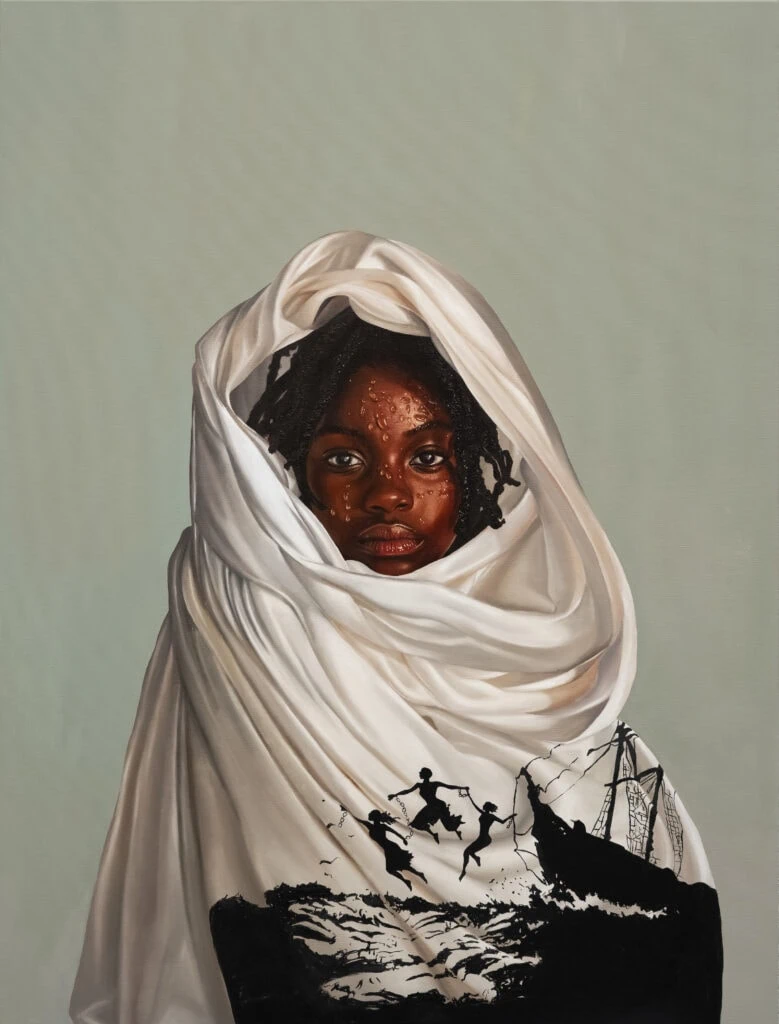
Floyd graciously answered my questions:
What prompted you to become an artist?
Floyd Strickland: I’ve always drawn and paid attention to images, but becoming an artist wasn’t a straight path. I grew up in Watts, and creativity was a way to make sense of my environment. Art became the place where I could process memory, identity, and history when words felt limited.
What are some significant influences on your work?
Strickland: My influences range from classical painters like Caravaggio and Velázquez to artists such as Aaron Douglas, Kerry James Marshall, and Barkley Hendricks.* Just as important are lived influences, Black youth culture, family history, religion, sports, and the visual language of Americana and propaganda.
*For context, edited from Wikipedia:
Aaron Douglas (May 26, 1899 – February 2, 1979) was an American painter, illustrator, and visual arts educator. He was a significant figure in the Harlem Renaissance. He developed his art career by painting murals and creating illustrations that address social issues related to race and segregation in the United States.
Kerry James Marshall (born October 17, 1955) is an American artist and professor known for his paintings of Black figures. He previously taught painting at the School of Art and Design at the University of Illinois at Chicago. Marshall’s childhood in the Watts neighborhood of LA, where the Black Power and Civil Rights movements took place, had a significant impact on his paintings.
Barkley L. Hendricks (April 16, 1945 – April 18, 2017) was a contemporary American painter who made pioneering contributions to Black portraiture and conceptualism. While he worked in a variety of media and genres throughout his career (from photography to landscape painting), Hendricks’ best-known work was a series of life-sized painted oil portraits of Black Americans.
Floyd’s work also brings to mind Kehinde Wiley (born February 28, 1977), an American portrait painter based in New York City. In 2017, Wiley was commissioned to paint former U.S. President Barack Obama’s portrait for the National Portrait Gallery of the Smithsonian Institution.
Have you been to San Pedro? If so, can you elaborate about when and where?
Strickland: Yes. I’ve spent time in San Pedro over the years, mostly around the waterfront and arts district. The harbor, light, and industrial landscape have always stood out to me; it feels honest and unpolished, which I’m drawn to.
Where do you take first-time visitors to LA or San Pedro?

Strickland: I usually take first-time visitors to the beaches or to local restaurants I enjoy. It’s an easy way to experience the city, with good food, ocean air, and a pace that lets people really take in their surroundings.
Do you have any upcoming shows? When and where?
Strickland: I have several projects in development, including gallery exhibitions and public art commissions. Dates and locations will be announced soon.
What would the 10-year-old Floyd tell you now?
Strickland: Don’t doubt it. Keep going. Everything you’re experiencing now will eventually make sense. spt
To view more of Floyd Strickland’s art, follow him on Instagram @floyd_strickland.

Linda Grimes is a retired, recovering AT&T marketing and sales manager and is now the executive director of the San Pedro Waterfront Arts District. For more information, visit SanPedroWaterfrontArtsDistrict.com.





Share Your Comments