
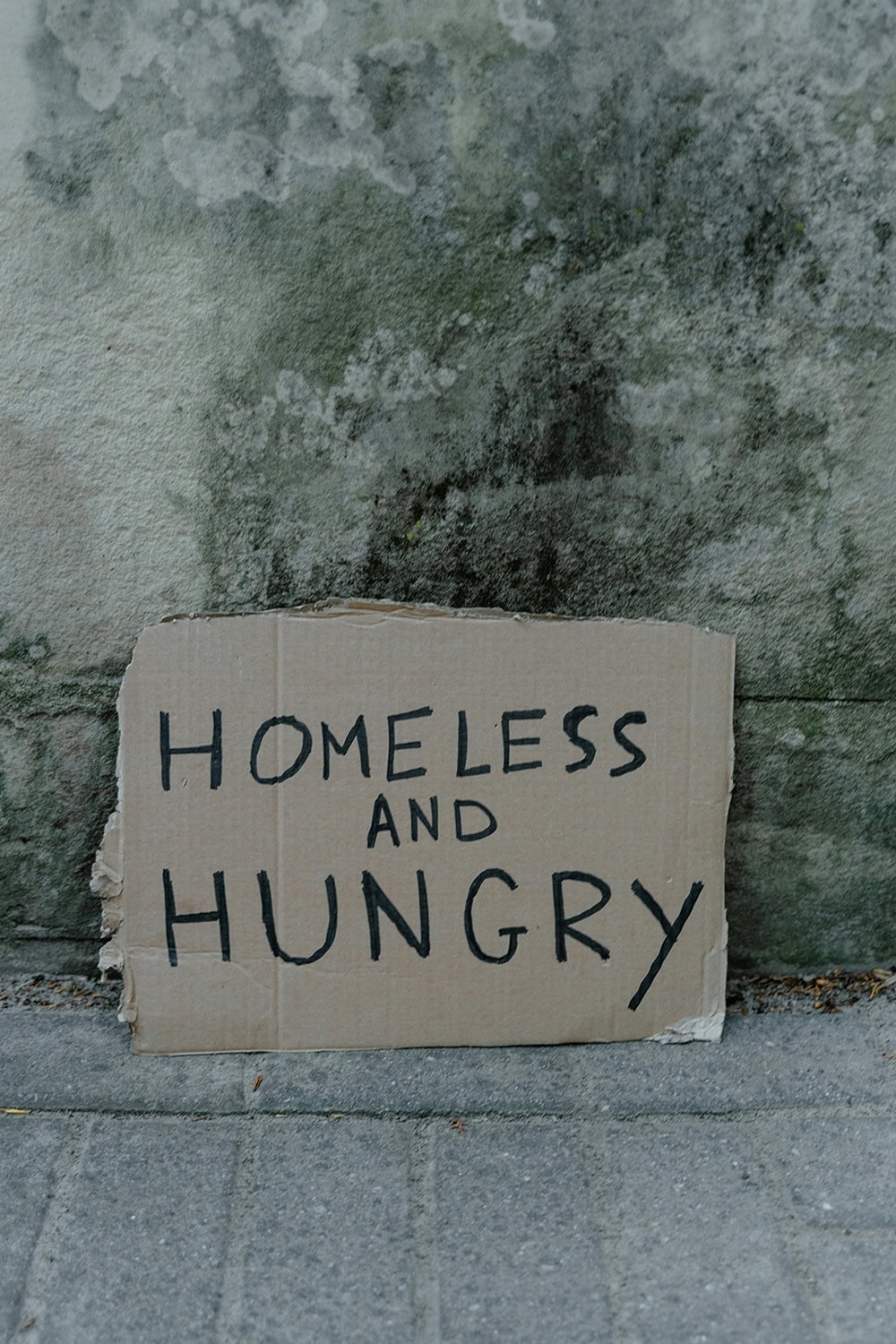
I have often spoken about how the words we choose matter—especially when we talk about people experiencing homelessness.
Referring to them as our “unhoused neighbors” reminds us they are part of our shared community, deserving of dignity, compassion, and inclusion. Shifting our language in this way is more than semantics; it is a step toward reshaping how we understand, respond to, and support those who have been marginalized.
On July 24, the President of the United States issued an executive order targeting homelessness. Once again, the rhetoric and directives used by this administration threaten effective, humane solutions while further stigmatizing unhoused individuals. I completely understand the general public’s frustration with what appears to be slow progress in alleviating homelessness. None of us wants to see our neighbors struggling.
First, language matters. The executive order employs criminalizing language—referring to unhoused individuals as engaging in “disorderly behavior,” “sudden confrontations,” and “violent attacks.” This framing falsely associates homelessness with criminality, reinforcing stereotypes that justify aggressive enforcement tactics. Such rhetoric diverts attention away from systemic causes, such as housing shortages and social policy failures. As advocates note, this narrative absolves policymakers of responsibility and scapegoats individuals, rather than addressing the root causes.
Second, the order rolls back evidence-based strategies. It undermines proven approaches such as “Housing First,” which prioritizes stable housing as the foundation for addressing other challenges. Instead, it promotes involuntary commitments and encampment sweeps—policies that have long been shown to be ineffective. Jennifer Mathis of the Bazelon Center for Mental Health Law condemns these shifts as a move away from care and support toward warehousing vulnerable people.
Third, it escalates risks for vulnerable groups. The order is particularly alarming for marginalized populations, including immigrants and transgender people. One directive suggests labeling unhoused individuals as “sexually dangerous persons,” a category historically used to justify severe institutional confinement. Given existing biases and the high mental health risks among trans individuals—44 percent report severe psychological distress—the potential for abuse is immense. Legal advocates warn this revives dangerous precedents of involuntary institutionalization and fails to protect basic rights and dignity.
Fourth, there are troubling civil rights concerns. The order has sparked bipartisan backlash. States like Connecticut reaffirm their commitment to “Housing First,” while critics argue the directive criminalizes homelessness, stigmatizes vulnerable groups, and neglects long-term solutions in favor of punitive action. In Washington, D.C., encampment sweeps justified as public safety measures have drawn objections from the ACLU, which warns that such removals break trust and worsen the crisis.
A CALL TO ACTION
The National Alliance to End Homelessness urges leaders to resist these regressive policies and recommit to evidence-based practices. Housing-focused, harm-reduction approaches are essential, while carceral and institutional tactics will only deepen disparities and erode trust. The president’s order represents a troubling shift away from compassion and research-informed strategies to punitive, enforcement-driven measures that neither solve homelessness nor treat people with dignity.
PROGRESS CLOSE TO HOME
Amid federal turbulence and erratic policy shifts, LA County is making meaningful strides. The Greater Los Angeles Homeless Count shows homelessness has declined 4 percent countywide, with a nearly 10 percent drop in unsheltered cases—the second year of progress. In San Pedro, intentional investments are creating a visible impact. Beacon Landing, one of the first permanent supportive housing developments in LA County, opened last year with 89 new homes, on-site services, and energy-efficient, LEED Gold–certified amenities. It offers neighbors a stable foundation to rebuild their lives and demonstrates what’s possible when solutions prioritize housing, dignity, and inclusion.
Doubling down on the punitive and inequitable systems that got us “in this mess” won’t get us out.
Solving homelessness can’t happen overnight. And solutions—real solutions—move at the speed of human trust. spt

Amber Sheikh is a San Pedro resident, mother of two, community advocate, and owner of Sheikh/Impact, a nonprofit consulting firm. She has nearly two decades of experience working in and with organizations solving homelessness and income inequality.









Share Your Comments