
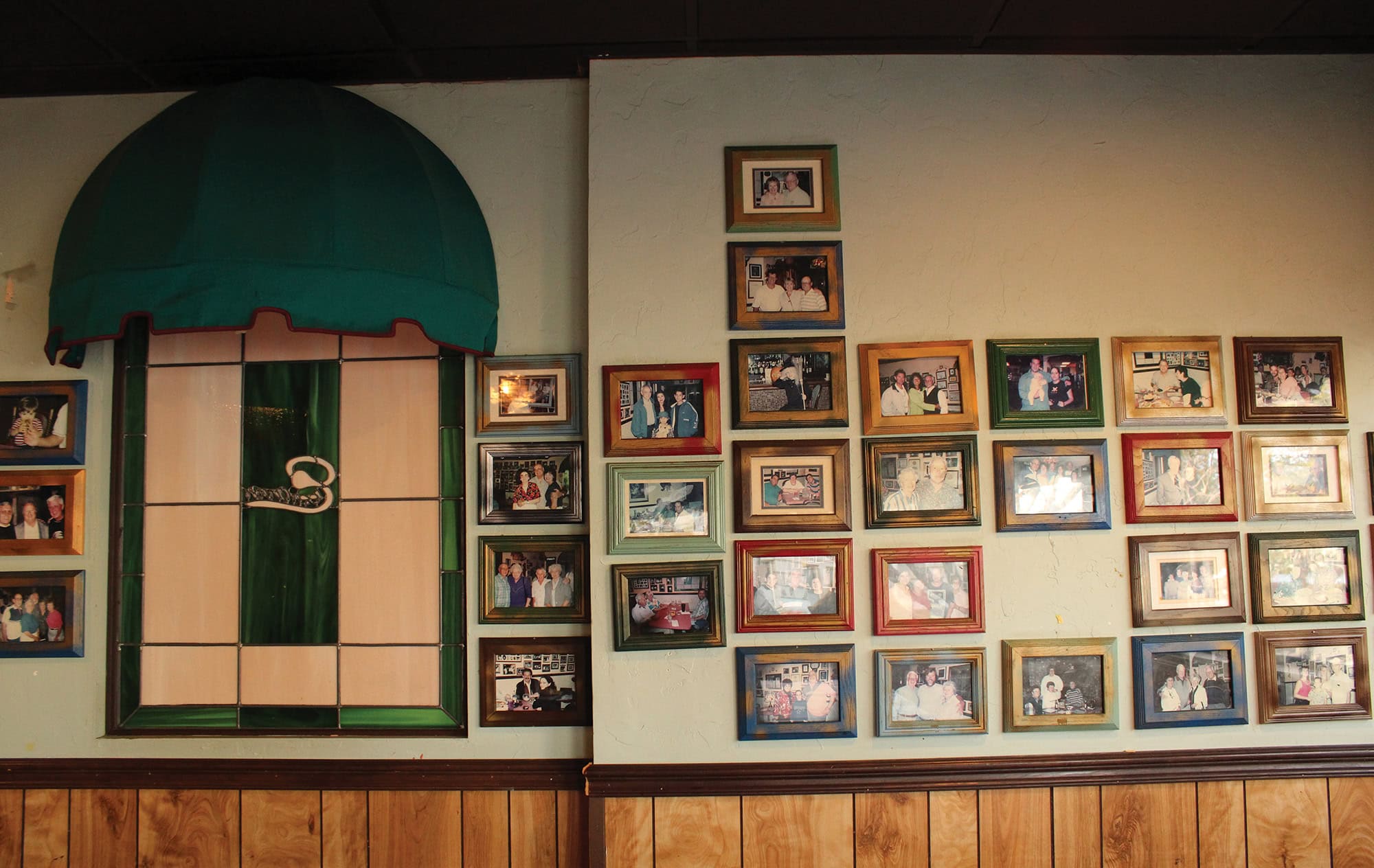
Driving around San Pedro recently, it suddenly dawned on me: For someone born and raised here, going down Pacific Avenue and Sixth Street downtown, passing one empty storefront after another, was depressing (see below).
Exiting the freeway at Gaffey and passing the closed Rite Aid and soon-to-be-closed Big 5, the overall sense of decay was distressing.
Trying to get anywhere on Western Avenue during lane closures and looking at all the “Space for Rent” signs is discouraging (Urbane Café may be the only bit of good news on that benighted street in years). You get home after that, and the thought occurs that you may never leave the house again.
Then I load faithful companion Jack in the back seat, and we’re off for a walk at one of San Pedro’s special places: the primordial quiet of Peck Park Canyon; lush Averill Park, an open-air aviary with its quaint waterfall and turtle-filled ponds; and Bogdanovich/Deane Dana parks, where you can find solitude on its maze of trails over the same ground trod by the Gabrielenos hundreds of years ago, while gazing down at the L.A. Basin and the glistening Pacific.
Next, you head for Point Fermin and the dog park on Paseo Del Mar. We walk over the Fort MacArthur Museum grounds, where giant concrete casements take you back in time, cross over to Angels Gate Park and the picturesque Korean Bell with breathtaking views of the harbor, rocky coastline, and Catalina. There’s a stop at Point Fermin Park and its majestic trees, historic lighthouse, fearless and plump squirrels that Jack likes to stalk, and barking seals basking on the wave-battered rocks far below.
Finally, with “‘60s Gold” bumping on my Sirius radio, I take a round-about cruise down Paseo to everyone’s favorite old-school haunt, Royal Palms, and I say to myself, “This is why I live in San Pedro.”
If only you could get home without driving down Pacific, Gaffey, or Western, life here would be wonderful.
ADIOS, GREEN ONION
The restaurant business is brutal, and they come and go, but losing a beloved eating spot is always upsetting.
The closure of the Green Onion is particularly sad because for many San Pedrans like me, it marks the end of an era.
It’s happened before. If you’re of a certain age, you remember when it was breakfast at Hobby Nobby, lunch at the Hamburger Hut or Tony’s, and dinner at Peppy’s, La Conga, Cigo’s, Luigi’s, La Paloma, Chin’s Garden, The Majestic, or Ante’s.
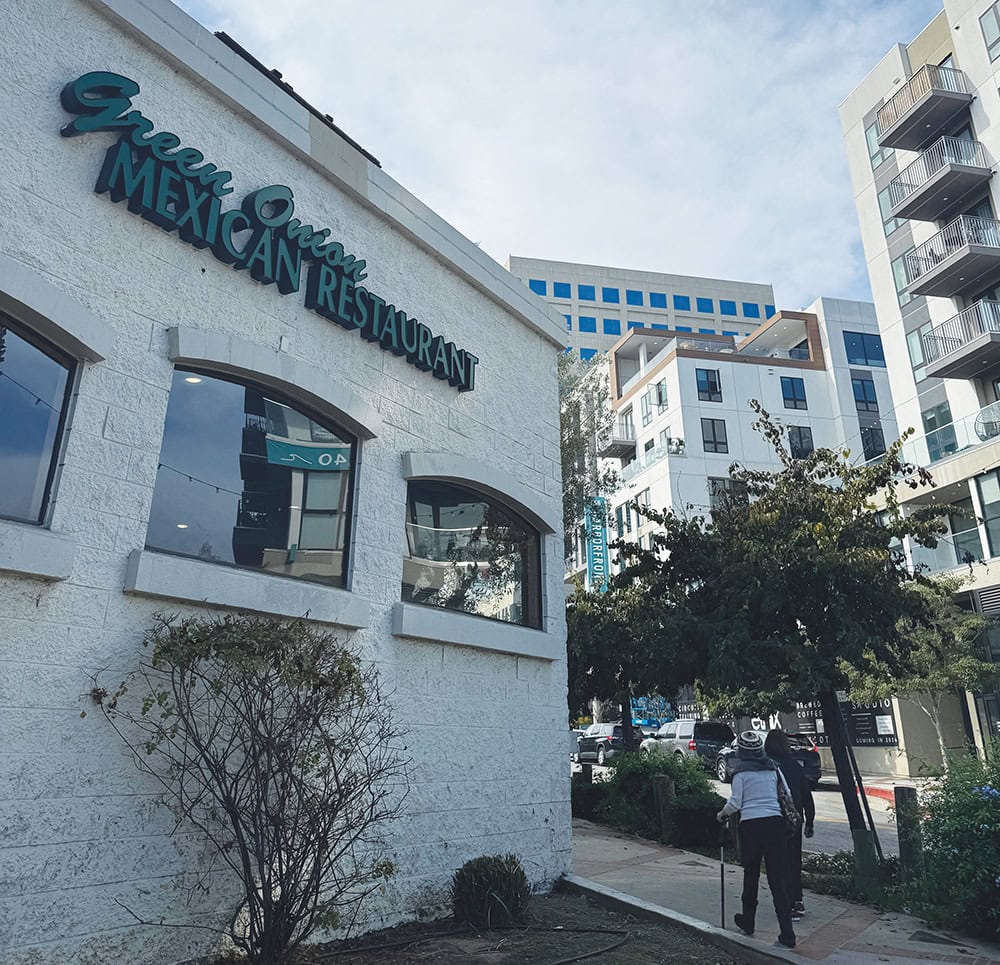
Then there was the Rum Runner, Canetti’s, Walker’s Café, the Princess Louise, Papadakis Taverna, Olsen’s, Tasman Sea, Shin Shin, Reuben’s Plankhouse, La Chispa, and Crest Café. We had the Little Fisherman, Acapulco, Sizzler, Nizetich’s, the venerable Ports O’ Call Restaurant, Yankee Whaler, and Utro’s. Not to mention Neil’s and the old standbys, The Grinder, Coco’s, Carrows, and IHOP.
Gone, all gone.
The Green Onion really was a generational institution, a hangout for multitudes of San Pedrans. My parents were regulars at the original Bart Earle’s Red Onion on the Hill and got to know Bob Sanjabi. So when Bob opened the Green Onion more than 40 years ago, my parents followed him, and like hundreds of others, they had their photo hanging on his wall of patrons. I can’t tell you how many meals I’ve had there, how many milestones were celebrated with margarita pitchers, or how many bowls of chips and salsa I’ve consumed over the years. No one made a margarita like Fernando, a mainstay behind the bar for decades.
My wife’s last meal out was there.
There are still a lot of good places to eat in San Pedro, but the family restaurant is becoming a thing of the past. Most of the restaurants mentioned above were all popular and didn’t close for lack of business; it’s just that the bottom line made continuing untenable.
The Green Onion replaced The Majestic. A great restaurant location is being replaced by a high-rise. What we mourn when a place like the Green Onion shuts its doors is not just the loss of a good meal; it’s the closing of a chapter of our lives, saying goodbye to a place where memories were made.
We’re not just losing a great salsa, we’re losing our history, and that’s never a good thing. spt

San Pedro native Steve Marconi began writing about his hometown after graduating from high school in 1969. After a career as a sportswriter, he was a copy editor and columnist for the News-Pilot and Daily Breeze for 20 years before joining the L.A. Times. He has been writing monthly for San Pedro magazines since 2005, and in 2018 became a registered longshoreman. Marconi can be reached at spmarconi@yahoo.com.





Share Your Comments